
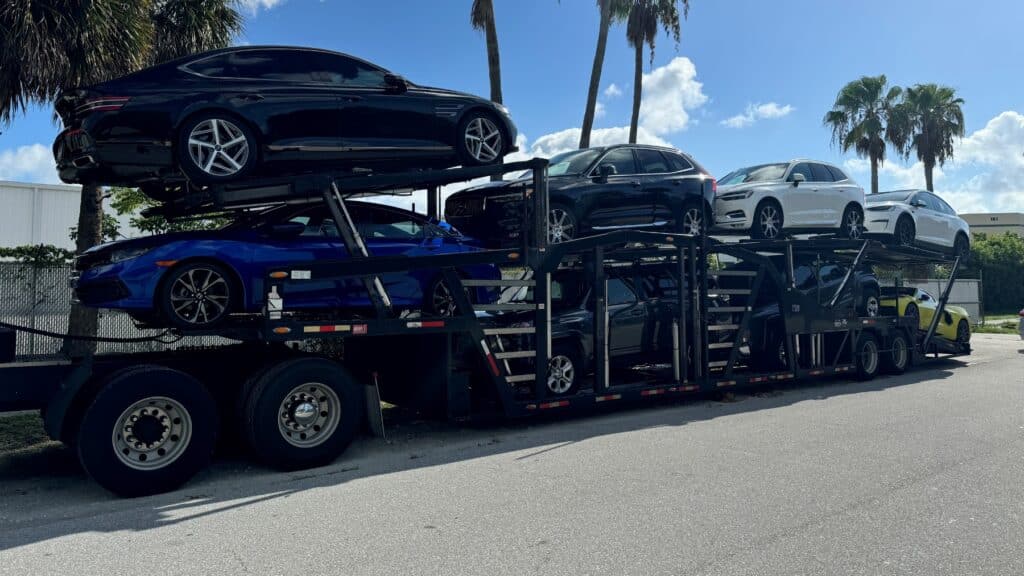
When transporting a car across far distances, one of the biggest worries that customers have is, when will the car actually arrive? Unexpected events can always change the delivery timing anytime while on the roads. Traffic conditions, rain delays, refuelling, inspections and other deliveries are common. This is precisely the reason why ETA updates become so critical in vehicle shipping.
When drivers update the ETA during long routes, customers expectations are set in a realistic manner. Moreover, it allows better communication throughout the course of transport. Whether you’re shipping a family sedan, luxury SUV, motorcycle or collector automobile, ETA coordination reduces confusion and allows customers to prepare for delivery.
Many customers want to know specific arrival times, but the professionals in vehicle transport usually work with estimates, which evolve as the route basis. Effective communication between both the drivers and the dispatchers as well as the customers makes the whole process systematized and far less stressful.
Reason for ETA Changes During Long Distance Transport
The schedule of long-haul vehicle transport is rarely fixed. Drivers drive across state lines and coordinate pickup and delivery of several cars at one go.
Many different things may affect ETA.
- Road blockage.
- Atmospheric Conditions.
- Building Sites.
- Machine inspections.
- Refueling station
- Limit for driving time by Fed.
- Holds up customers.
- Duration of loading and unloading.
A carrier transporting cars from California to Florida may face significant storms in Texas or be delayed by traffic backups around major cities like Dallas or Atlanta. If a delay occurs in the route after a few hours, that will impact timing.
Drivers update their schedules continuously during a trip, based on conditions.
Often assist in tracking routes and proactively updating customers to ensure they are always in the loop regarding ETA changes during the shipment process.
Drivers Communicate with Dispatch to Update ETA
Drivers and dispatch teams are in constant communication which helps get an ETA update message to the consumer.
Usually, drivers report.
- Present location
- Road conditions.
- Status of delivery.
- Route disturbance.
- Expected arrival time.
Dispatchers then relay updates to customers, coordinating adjustments to the schedule if necessary.
For instance, if highway construction causes a driver to delay for four hours, the dispatch can alert customers so they can adjust their plans.
Today’s dispatch systems often combine.
- gps-tracking.
- Drover registration
- Software for route management.
- Mobile communication apps.
Better coordination will mitigate the possibility of surprises in long-distance shipments.
Seasoned dispatchers know that communicating the accurate ETA is a huge confidence booster for customers, especially during inter-state transport.
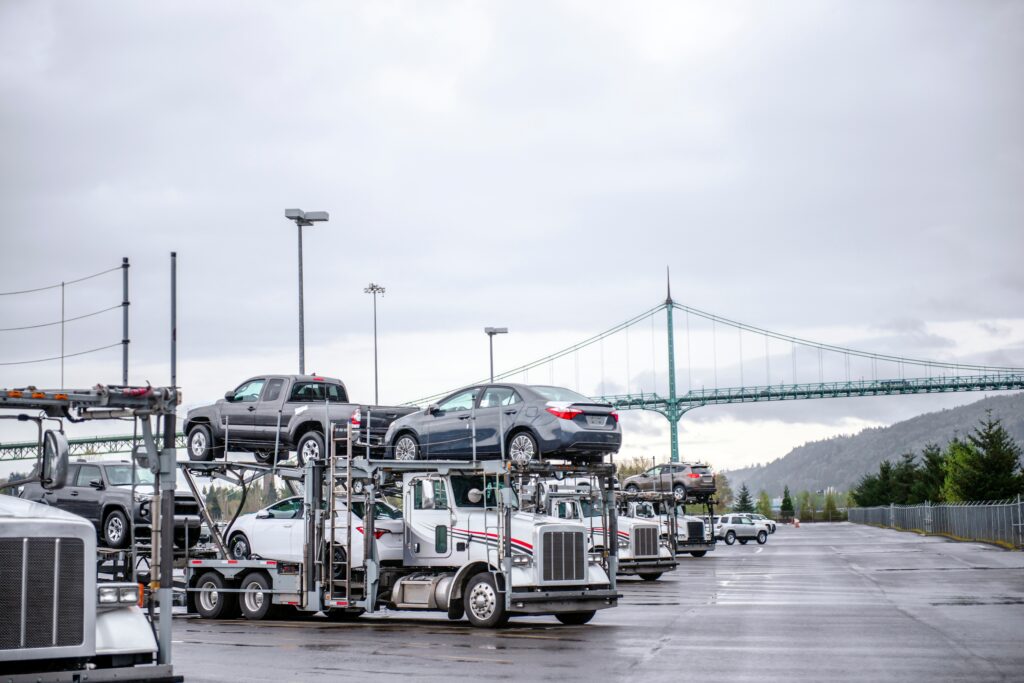
Customers Get ETA Updates Stage By Stage
Many first-time shipping clients expect ongoing live updates throughout the entire time, but vehicle transport typically works through ETA updates at key points.
Pickup Acknowledgement
Notification will be sent to the customer on loading of the vehicle.
Routing Updates
During a long trip, general timing adjustments may be made by drivers or dispatchers.
Contact for Delivery a Day Before
Customers are usually contacted 12 to 24 hours before arrival.
For instance, instead of continuous tracking every hour, a customer who ships a car from New York to Arizona may get milestone updates.
This system ensures effective communication while allowing drivers to keep their focus on safely operating heavy commercial vehicles.
They often help customers understand how ETA communication works before transport begins so that there are no unrealistic expectations.
Safety Can’t Be Compromised for Communication
It is important for customers to understand that transport drivers can’t always respond while driving.
Those who run commercial vehicles have to adhere to safety rules and often have to travel.
- Beyond congested roads.
- Along distant roads.
- When the weather is bad.
- Use areas with low services.
For instance, a driver might experience a gap in cellular coverage while going through mountain areas and thus it may not be possible for him to receive real-time updates through his application for a short duration.
The driver’s schedules are also regulated by federal Hours of Service which limit how long he can drive before resting.
Due to these rules, ETA will be disrupted. That is, a driver cannot just drive longer hours to make up for the lost time.
As delivery time nears, accuracy improves
As the carrier approaches the delivery area, the ETA estimates usually become far more accurate.
When long-distance driving begins, one makes a more general estimate as much is still unknown.
- Delivery time.
- Meeting spots.
- Access to neighborhood.
- Parking rules.
This last stage of communication is very important because large transport trailers often have difficulties involving.
- Little alley.
- Property restrictions
- Construction site
- Restrictions of commercial vehicles.
Last-minute confusion at the time of unloading can be avoided through direct coordination.
Improving ETA Accuracy Can Be a Team Effort
Good customer communication also helps in the smooth maintenance of delivery timing.
- Customers must
- Be available on the phone.
- Timely reply to updates.
- Clearly confirm delivery instructions.
- Offer alternative contacts if required.
If a customer informs dispatch of a neighborhood road closure, then that means the driver might reroute more efficiently to avoid that road.
In the same way, a late response from a customer, just before delivery, could hinder unloading and impact the driver’s subsequent deliveries.
Effective communication is advantageous for the entire transport process.
The Importance of Flexible Expectations on Long Travels
Vehicle transport is different from standard shipments. Transporting multiple vehicles while coordinating the routes for hundreds or even thousands of miles to transport.
Long-haul transport has more variables than a local delivery.
- Interstate transport.
- Atmospheric phenomena.
- Several customer schedules.
- Modification of carrier routes.
For instance, highway closures or severe weather alerts can alter even the best-planned routes.
Customers who demand precise minute delivery times experience unnecessary stress during transport.
When it comes to a professional transport operation, the emphasis is on.
- Speak regularly.
- Achievable Delivery Timeframes
- Secure path handling.
- Prior Coordination.
When you provide ETA updates, you can equip your customers to make proper preparations. They won’t get an unrealistic promise that may later change.
The way that drivers update their ETA on long trips helps customers gain a better understanding of long-distance vehicle shipping. Drivers and dispatchers keep track of traffic, weather, delivery timing, and route conditions while adjusting estimates anytime through transit. Communication usually occurs in stages, becoming clearer as delivery nears. When both customers and carriers maintain flexible expectations and communicate effectively, transport runs more smoothly.
If you are transporting a family car, luxury car, motorcycle, or collector automobile, trusted professionals: https://www.fast-car-transport.com/.
Ensures timely notifications are properly managed at the point of pickup and final drop off.
