
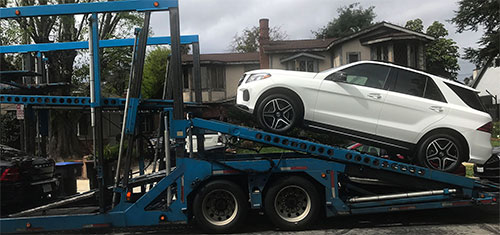
Car shipping plans don’t always remain the same after shipment begins. At times, customers may need to make changes after the vehicle has already been loaded onto a carrier trailer due to unanticipated scheduling needs, relocation updates, weather issues, or delivery complications. Subsequent to a change in itinerary, when many persons contact the traveller, they inquire if a route change can still be permitted after the pickup has already taken place.
It helps the customer manage expectations and gives them an understanding of how the transport companies manage the change during pick up and at a time when the consignment is on the run. In many situations, route changes are possible, but their approval will depend on carrier schedules availability, distance, timing and operational flexibility.
When transporting a family sedan, luxury SUV, motorcycle, or collector automobile, communication becomes extremely important once transport is underway.
Reason Customers Change Routes After Pickup
There are several valid reasons as to why clients may change their transportation requirement after their vehicle has been loaded.
Ordinary cases involve.
- Changes in Relocation Suddenly.
- Travel postponement
- Fresh shipment locations.
- Meteorological emergencies
- Building close to drop-off regions
- Work schedulum changes.
- Urgent family matters.
- Entry limitations at the site.
Someone may get the news mid-journey about the changing temporary housing arrangement. The truck therefore will now deliver at a different city than the original.
In addition, poor climate or an impediment on the road may prevent access to the original delivery location, temporarily.
More customers experience this type of situation than most realize, particularly during long cross-country shipments.
Transport coordinators who are professionals
Often assist customers with delivery changes in an efficient manner while managing route and carrier.
How far we have progressed with the shipment has a heavy influence on approval of route change.
Typically, small changes to routes already used are easier to accommodate than destination changes occurring in different regions.
Such as
Moving delivery from one close suburb to another is a simple task.
Shipping a shipment to a state outside the original pickup location in Texas can create serious logistical trouble.
Carriers are already operating based on planned schedules.
- Various client deliveries.
- Refueling plan.
- Driving hours restrictions.
- Route Profitability.
- Capacity control of the trailer.
When a large-route change occurs any other scheduled delivery probably will significantly disrupt your route.
Dispatchers inspect for this reason.
- Location of current vehicle.
- Flexible schedule for drivers.
- New mileage demands.
- Effect of the route on different customers.
- Limitations related to timing.
- Prior to granting alterations.
The sooner the previous customers communicate their requests for changes the better the dispatcher can explore possible solutions successfully.
Most route changes are coordinated by dispatchers
Customers must understand that drivers, while on the road, do not have the discretion to approve a significant route change.
Instead, these requests are most often managed by dispatchers who are in charge of them.
- Organizing schedule.
- Communications carrier.
- Planning Routes.
- Client Information.
- Logistics of Delivery
As an illustration, if a customer asks that their delivery be changed while the carrier is way over two states in transit, the dispatch should see if the modification fits the driver’s route structure.
Dispatchers might coordinate.
- Change delivery location
- New points of meeting.
- Revision Schedule
- Cost changes.
- Extra authorization forms.
Such coordination avoids any confusion and keeps everyone in the loop during the shipment process.
Trustworthy transportation providers at
Frequently, we communicate with our customers as well as dispatch teams and drivers to manage route changes more effectively.
Good potential reasons could include.
- Enhanced mileage.
- Using more fuel.
- Modifying Driver Routines.
- Fresh fee costs.
- Plan interruptions.
- Delivery timelines extended.
For instance, a large commercial transport carrier might have to take extensive detours to reach a new delivery point 150 miles away.
In some instances, a slight change to the delivery location may incur little or no extra cost if it is in line with the driver’s route.
- However, bigger changes may require official pricings to be approved.
- Professional transport companies usually clarify these changes before confirming new arrangements.
- Once the shipment is active, customers must not assume that post-pickup changes will be free.
Communicating Route Changes Is Very Important
Communicate with Customers Immediately
- Take advantage.
- Carrier representatives.
- Sooner instead of waiting until the deadline.
- Useful information contains.
- New delivery address.
- Timing issues.
- Limited access.
- Different telephone numbers.
- Time periods.
If construction were to block access to a residential area, early notification may allow dispatch to arrange for a monitor unloading point in a nearby commercial area before the driver arrives.
Hindered communication can create delays.
- Delivery Misunderstanding
- Scheduling Issues.
- Inactive drivers.
- Did not attend.
Strong communication lets dispatchers find flexible solutions that disturb people as little as possible.
Some route adjustments require less effort than others
Not all adjustments are equally difficult. It is generally less complicated for transport firms to adjust certain types of routes.
- Changing More Conveniently.
- Changes in nearby cities.
- Vary unloading areas.
- Delivery timing flexible.
- Changes in route.
- More challenging modifications
- Interstate shipping modifications.
- Emergency changes.
- Noticeable mileage improvements.
- Requests for remote locations.
- Tight timeframes required.
For instance, it is easier much easier to shift delivery from downtown Atlanta to a nearby suburb than to redirect the shipment into another state.
The complexity usually depends on the impact of the requested change.
- Current delivery plans.
- Vehicle Man Power.
- Energy Planning
- Optimizing Trailer Routes
Dispatchers with expertise evaluate these operational realities beforehand.
Delivery Driver Access Still Has to Be Safe
Delivery safety is extremely important even after route changes are approved.
There may be restrictions on the big transport carriers involving.
- Skinny roads.
- HOA limitations
- Underweight bridges.
- Building sites.
- Parking space is limited.
For instance, if a customer requests delivery to a mountain cabin road, they may need to meet the driver at a nearby accessible location if the trailer cannot pass there.
The Importance of Expert Coordination
Route changes during active transport involve far more than just changing an address in a system.
- Carrier Transmission.
- Dispatch planning.
- Modifying time.
- Coordinator of drivers.
- Document modifications
- Client Communication.
Small mass shifts or route changes without organized management creates chaos and delays readily.
Transport teams know how to safely and efficiently balance what customers want with what’s possible.
The reliable experts at https://www.fast-car-transport.com/ can ship anything from family cars to collector’s items.
When changing routes, our teams go through the right procedures, so you are never disrupted.
